Radon mitigation is a pressure problem, not a filtration problem. Nothing gets cleaned. The system simply makes the soil under your slab a lower-pressure space than your basement, so gas moves outward instead of inward.
The industry name is sub-slab depressurization, and it is the method the EPA recognizes for basement and slab homes.
How the system works
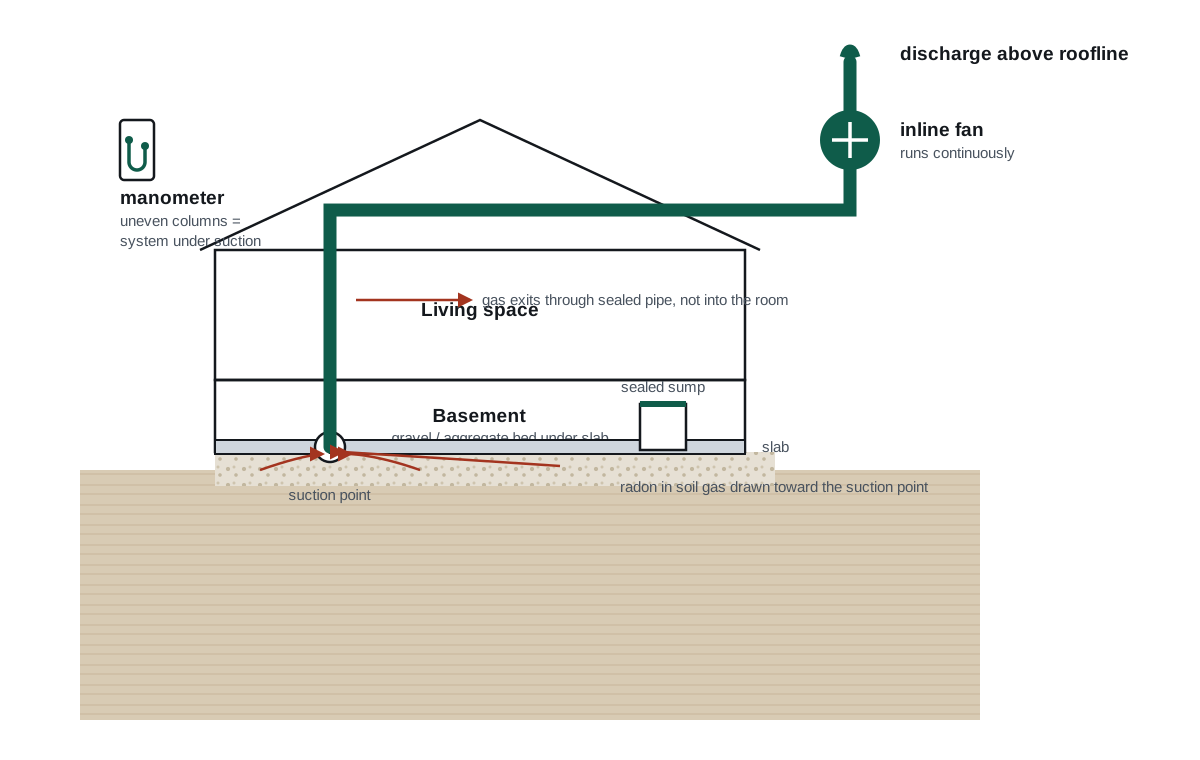
- Suction point. A hole is cut through the basement slab into the gravel or soil beneath it.
- Sealed pipe. PVC pipe connects that cavity and runs to the exterior of the house.
- Inline fan. Mounted outside the living space (attic, garage, or exterior wall), the fan runs continuously and pulls air from beneath the slab.
- Discharge above the roofline. Gas exits above the roof so it disperses instead of re-entering through a window or soffit.
- Sealing. Sump pit gets a gasketed cover; slab cracks and the slab-to-wall joint get sealed so the fan pulls from the gravel bed rather than short-circuiting through the basement air.
- Manometer. A small U-tube gauge on the pipe shows the system is under suction. Two uneven columns of liquid means it is working.
What actually changes the price
- Number of suction points. One foundation, one point. A basement plus a crawl space addition needs two, and that is the single biggest cost driver in this county.
- Foundation type. Block walls often need to be addressed separately, because hollow cores act as their own chimney.
- Finished basement. Pipe routing through finished space takes longer and constrains where the fan can go.
- Existing passive stack. If your home already has capped radon pipe (common in Johnson County construction from roughly the last fifteen years), you may only need a fan. That is a much cheaper job, and you should be told so before you are quoted a full system.
- Fan sizing. Tight soil needs more suction than loose gravel. An undersized fan is the most common reason a system fails its verification test.
The verification test is the deliverable
An installed system is not a result. The only thing that proves mitigation worked is a post-mitigation measurement showing the level came down below the EPA’s 4.0 pCi/L action level.
Insist on it in writing. Without a post test you have paid for a pipe and a fan.
Why this county needs it
Johnson County averages 5.3 pCi/L, above the action level, and carries EPA’s Zone 1 designation. Statewide, 41% of more than 46,000 Kansas measurements came in at or above 4.0. Elevated readings here are ordinary.
Certification, not trust
Kansas has required KDHE certification for paid radon mitigation since 2011 under the Kansas Radon Certification Law. Uncertified mitigation work for hire violates state law. Certification is issued in two-year terms and Kansas honors NRPP and NRSB credentials.
Before signing anything, ask for the KDHE certification number and verify it at 785-296-1560.
What you get from us
A diagnostic visit, one fixed written quote, an install sized to your foundation rather than to a price sheet, and a post-mitigation test confirming the number dropped.
Want a straight answer about your house? We will tell you whether an $8 to $15 test kit is enough before we quote anything.
Call (913) 421-2530Common questions
How does radon mitigation work?
A suction point is cut through the basement slab and connected to sealed pipe running outside, where an inline fan pulls air from the gravel beneath the foundation. That creates lower pressure under the slab than inside the house, so soil gas is drawn out and discharged above the roofline instead of entering.
How long does installation take?
A typical Johnson County home with one basement foundation takes about one day. Homes with multiple foundation types, a crawl space addition, or a finished basement that complicates pipe routing can take longer and need more than one suction point.